Low Resistance Test
Low Resistance Test SetThe Small Measurement That Prevents Big Electrical Failures
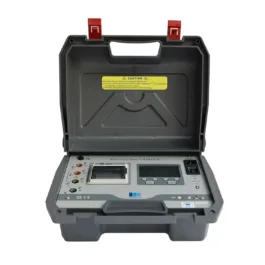
In high current systems, a few micro ohms can make the difference between smooth operation and catastrophic overheating.
It sounds surprising. Engineers deal with kilovolts, kiloamperes and megawatts every day. Yet, when it comes to joints, busbars, breaker contacts and winding connections, what matters most is resistance measured in milliohms or even micro ohms.
Low resistance may appear insignificant on paper. In reality, it governs heat generation, voltage drop, and ultimately system reliability.
That is why a Low Resistance Test Set is not just another instrument in the maintenance toolkit. It is a critical diagnostic device that verifies the integrity of current carrying connections.
For engineers, industrial technicians and decision makers, accurate low resistance measurement is about safety, efficiency and asset protection.
Introduction
What Is a Low Resistance Test Set and Why It Matters
A Low Resistance Test Set measures very small resistance values in electrical conductors, joints, windings and contacts. These measurements are essential in high current systems where even minor resistance increases can cause serious heating.
Consider a simple example.
A busbar joint carrying 2000 amperes has a slightly loose connection. The resistance increases by just a few micro ohms. The resulting heat buildup may be invisible initially, but over time it can lead to:
• Insulation damage
• Contact pitting
• Thermal runaway
• Fire risk
• Equipment failure
The purpose of low resistance testing is to detect these issues before they escalate.
The impact of proper testing includes:
• Prevention of overheating
• Reduced energy loss
• Improved equipment lifespan
• Enhanced operational safety
Low resistance testing is especially important after installation, during commissioning and as part of periodic maintenance.
In modern electrical systems, reliability begins at the connection point.
Technical Overview
How Low Resistance Testing Works
Measuring very low resistance accurately requires specialized techniques.
Four Wire Measurement Principle
The most common method used in professional Low Resistance Test Sets is the Kelvin four wire technique.
Two leads carry the test current.
Two separate leads measure the voltage drop across the test object.
By separating current and voltage paths, measurement errors due to lead resistance are eliminated.
Ohm Law Application
The instrument injects a known current through the test object. It measures the resulting voltage drop.
Resistance equals voltage divided by current.
Since resistance values are extremely small, the test current is typically high to create a measurable voltage drop.
High Current Injection
Depending on the application, test current may range from:
• 10 amperes
• 50 amperes
• 100 amperes or higher
High current improves accuracy and reveals weak joints that may appear acceptable at low current levels.
Relevant Standards
Low resistance testing aligns with standards such as IEC and IEEE guidelines for:
• Circuit breaker contact resistance
• Busbar joint testing
• Transformer winding resistance
These standards define acceptable limits and testing methods for various equipment categories.
Accurate low resistance measurement requires stable current output, precise voltage sensing and proper compensation for environmental factors.
Equipment Overview
Motwane Low Resistance Test Sets
Precision and durability are essential in low resistance measurement. Motwane designs its Low Resistance Test Sets for both field and industrial applications.
Key Features
• High current injection capability
• Four wire Kelvin measurement
• Digital display with high resolution
• Auto ranging for wide resistance span
• Data storage and export options
• Thermal overload protection
• Rugged portable design
• Fast stabilization time
• Temperature compensation features
Field Oriented Advantages
Technicians working in substations and industrial plants need equipment that is:
• Reliable under harsh conditions
• Easy to set up
• Quick to operate
• Safe during high current testing
Motwane instruments are engineered for these practical requirements.
For decision makers, the benefits include:
• Accurate trend monitoring
• Reduced risk of connection failure
• Confidence in commissioning reports
When testing determines whether a breaker contact is acceptable or not, precision is not optional.
Practical Applications
Where Low Resistance Testing Is Critical
Low resistance testing is essential in multiple industries.
Power Transmission and Distribution
• Busbar joints
• Circuit breaker contacts
• Earthing systems
• Disconnect switches
Industrial Facilities
• Motor terminal connections
• High current panels
• Generator terminals
• Welding connections
Transformer Maintenance
• Winding resistance measurement
• Tap changer contact evaluation
Railways and Infrastructure
• Bonding connections
• Traction systems
In all these environments, excessive resistance leads to overheating, voltage drop and power loss.
Routine testing ensures connections remain within safe limits.
Step by Step Guide
How to Perform Low Resistance Testing Correctly
Accurate testing requires proper procedure.
Step 1 Isolate the Equipment
Ensure the equipment is de energized. Confirm absence of voltage before connecting test leads.
Step 2 Inspect Connections
Look for visible corrosion, loose bolts or discoloration.
Step 3 Connect Kelvin Leads
Attach current leads securely. Connect voltage sensing leads as close as possible to the measurement point.
Step 4 Select Test Current
Choose appropriate current level based on equipment rating.
Step 5 Initiate Test
Allow current to stabilize. Record resistance value displayed.
Step 6 Compare With Baseline
Compare results with previous records or manufacturer specifications.
Step 7 Disconnect Safely
Turn off instrument before removing leads.
Safety Considerations
• Never test live circuits
• Ensure firm lead connections
• Avoid contact with energized test leads
• Be cautious of heating during high current injection
Even low voltage testing can involve high current. Proper safety discipline is essential.
Troubleshooting and Interpretation
Understanding results is crucial.
Higher Than Expected Resistance
Possible causes:
• Loose connection
• Corrosion
• Surface contamination
• Mechanical wear
Action: Tighten, clean or replace connection.
Inconsistent Readings
Possible causes:
• Poor lead contact
• Movement during testing
• Temperature variation
Action: Re secure leads and retest.
Gradual Resistance Increase Over Time
Indicates progressive degradation.
Action: Plan maintenance before overheating occurs.
Trend analysis is powerful. A single reading offers limited insight. Repeated measurements reveal connection health over time.
Case Studies
Case 1 Substation Busbar Joint
Routine testing revealed slightly elevated resistance in one joint. Thermal imaging later confirmed localized heating. Joint was cleaned and tightened, preventing potential fire risk.
Case 2 Circuit Breaker Contact Wear
A maintenance team used a Low Resistance Test Set during annual inspection. Contact resistance had increased beyond acceptable limits. Breaker contacts were replaced before failure.
Case 3 Industrial Motor Terminal
An industrial facility experienced intermittent motor trips. Low resistance testing detected high resistance at terminal lug. Correction eliminated overheating and restored stability.
These examples demonstrate how small resistance changes can signal significant problems.
Benefits and Return on Investment
Low resistance testing delivers measurable benefits.
Enhanced Safety
Prevents overheating and fire hazards.
Improved Efficiency
Reduces energy loss caused by high resistance joints.
Extended Equipment Life
Maintains healthy electrical connections.
Reduced Downtime
Prevents unexpected failures.
Financial Savings
Avoids costly equipment damage and production loss.
The cost of preventive testing is negligible compared to the expense of replacing damaged equipment.
Future Trends
Advancements in Low Resistance Measurement
Electrical maintenance is becoming data driven.
Emerging developments include:
• Digital record management
• Integration with asset management systems
• Portable high current solutions
• Temperature compensated analysis
• Wireless data transfer
Modern Low Resistance Test Sets are evolving to support predictive maintenance strategies.
By combining resistance trends with thermal imaging and load analysis, engineers can gain a comprehensive understanding of connection health.
Conclusion
Why Low Resistance Testing Is Essential in Modern Electrical Systems
Electrical systems rely on solid connections. When resistance increases, heat follows. When heat builds, failure becomes likely.
Low resistance testing provides early warning. It identifies weak joints before they cause damage. It transforms invisible electrical risk into measurable data.
For engineers, it ensures technical accuracy.
For technicians, it provides practical diagnostics.
For decision makers, it protects capital investment.
With reliable Low Resistance Test Sets from Motwane, organizations strengthen their maintenance strategy and safeguard their power systems.
In high current environments, even the smallest resistance matters. Measuring it accurately is not optional. It is essential.


Comments
Post a Comment